When The Sky Turned Orange

A VISUAL ARTICLE ABOUT WILDFIRES

When The Sky
Turned Orange

Loading local time...

INTRODUCTION

Introduction

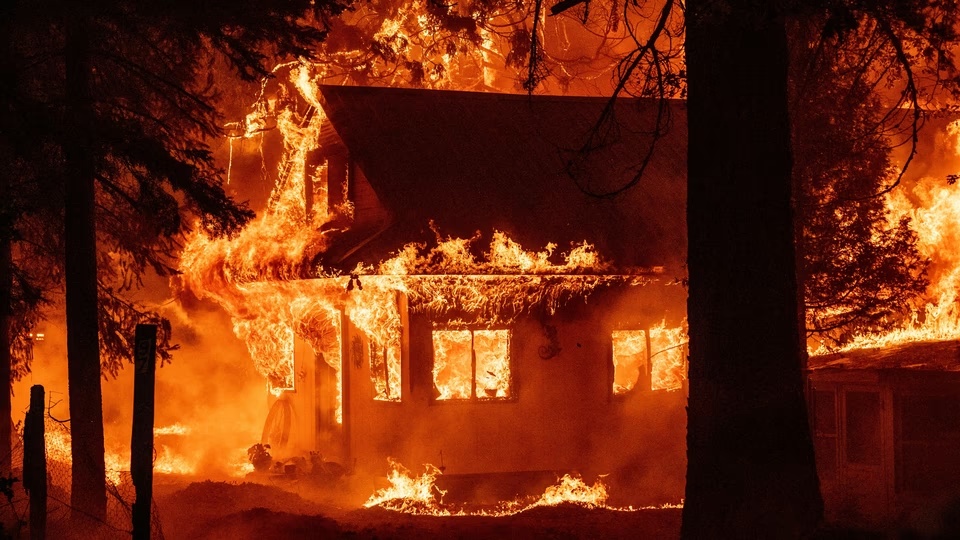
I remember waking up to the smell of burning wood. The news was on, saying that the night before, lightning struck the Santa Cruz Mountains, causing a big wildfire. At first, I didn’t understand how serious it was. The fire felt far away, like just something you normally see on the news, not something that would find its way into your life.

But when I looked out my window, it felt different, and the whole neighborhood felt wrong. The air looked orange, and when I walked out, the air felt heavy and hot. The smoke burned my throat since it had found its way into our house because we had left a window open. That was when I realized how wildfires weren’t just burning a few trees but changing entire ecosystems and affecting people’s lives.

They could change the sky, the air, and the way people felt in their own homes. After what became known as the 2020 CZU fires, I became fascinated by wildfires. This website explores how fires start, how they spread, how they affect people and animals, and how people can prepare before a wildfire. It also introduces my upcoming book, When the Sky Turned Orange.
MAP

Fire Map

Loading...

How This Map Works

This map uses official NASA FIRMS / VIIRS/MODIS active-fire and thermal-anomaly detections from recent global downloads, plus government wildfire feeds such as WFIGS and Canadian active-fire records. The dot layer is not fixed: it requests fresh NASA/government data when the page opens, when the page becomes active again, when Refresh is clicked, and about every five minutes while the page is open. The dots are drawn on a fast canvas layer and can be clicked for source details; no generated placeholder fire coordinates are shown while live data is loading. Satellite points show heat detected from space, so they may represent active wildfire, prescribed fire, agricultural burning, or another thermal hotspot.

Low
Medium
High

CAUSES

Why Wildfires Start

Forest

Fire needs three elements to burn. These are heat, a fuel source, and oxygen. Together, these make up the fire triangle. Water removes the heat, sand blocks oxygen, and controlled burns reduce fuel sources.

Most fires begin with a small spark, but they become dangerous only because of dry fuel, heat, wind, and human activity. A few very common ways that humans cause wildfires are by not disposing of cigarettes properly, using fireworks, sparks from power lines, and leaving campfires unattended. However, some wildfires start naturally from lightning strikes.

Once a fire starts, wind can push it forward quickly, with some fires reaching speeds of up to 14 mph (22 kph). This is why wildfires are not caused by one thing alone. They happen when the parts of the fire triangle meet dangerous conditions.

Green hills

GOOD FIRE

Controlled Burns

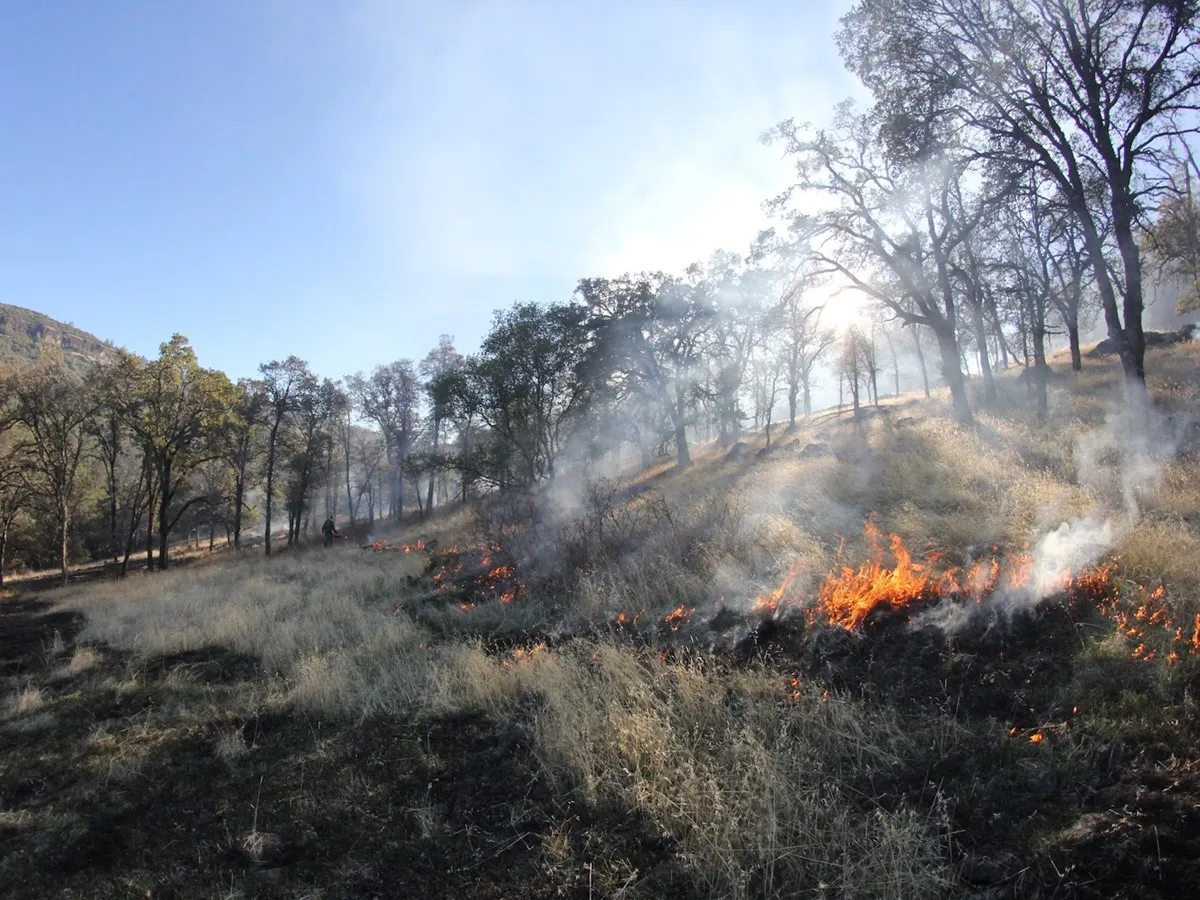
Low-intensity Indigenous cultural burning moving through grassland and oak woodland

Not every fire is bad. Many fires can actually benefit plants, animals, and the environment.

Controlled burns are intentionally ignited, low-intensity fires carefully managed by professionals. If you remember, one of the elements of a fire is fuel. Controlled burns light dry leaves, grass, branches, and other dead plant material, burning them into ash. This way, if a wildfire comes later, there is less fuel for it to burn, which can slow it down and make it less intense.

Controlled burns can return essential nutrients to the soil and help certain plants germinate. They are used to help control invasive species, manage pests, and create diverse habitats for wildlife.

Controlled burns are not random. They require strict, scientific “burn plans,” overseen by certified burn bosses and trained crews.

Never attempt a controlled burn yourself, because even a small fire can become dangerous if it is not managed correctly. Good fire is not about letting fire destroy. It is about using fire carefully so forests can become healthier and safer.

Long before modern fire crews, many Indigenous peoples used regular, low-intensity fire as a tool for caring for land. In California, the Pacific Northwest, and Australia, cultural burning helped clear excess brush, encourage useful plants to return, protect travel routes, support wildlife habitat, and reduce the chance that fuel would build up into a severe wildfire.

These burns were not accidental. They were guided by knowledge of seasons, plants, wind, moisture, and local ecosystems passed down through generations. A carefully timed cool burn could move through grass, leaves, and small branches without destroying the entire forest canopy.

During the 1900s, many governments pushed fire-suppression policies that tried to put out almost every fire and often restricted Indigenous burning practices. Today, cultural burning and “good fire” are being reintroduced in some places through partnerships among Tribal communities, land managers, firefighters, and scientists. The goal is not to let fire run wild, but to use it carefully so landscapes become healthier and less overloaded with fuel.

SOIL

What Fire Does To Soil

Fire changes soil in two opposite ways. In some ecosystems, a low-intensity fire can return nutrients to the ground. When leaves, grass, branches, and dead plants burn, some of their minerals are left behind in ash. Nutrients such as calcium and potassium can return to the topsoil, helping new plants grow after the fire has passed.

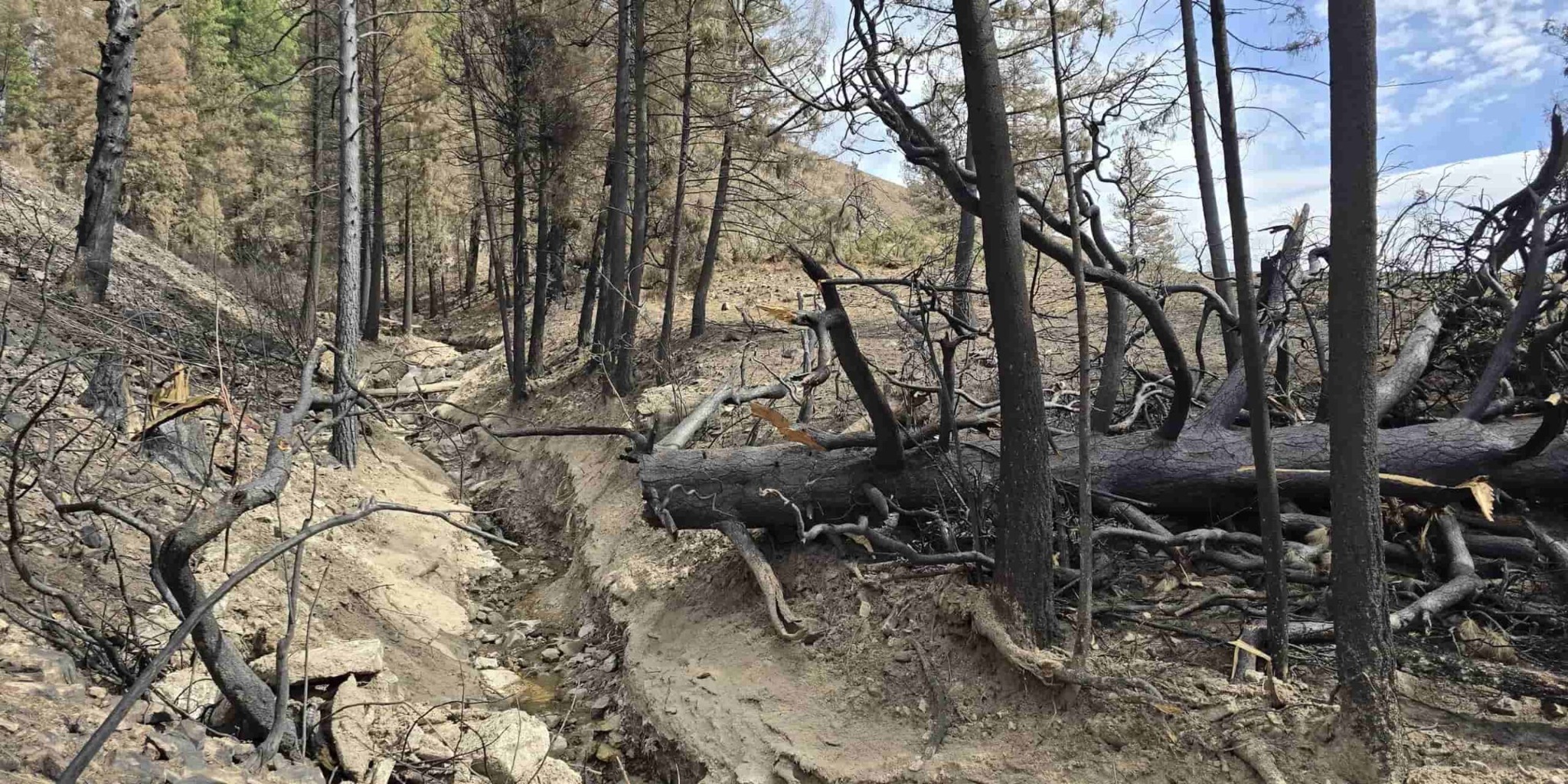
But intense fire can damage soil instead of helping it. When flames burn very hot, they can consume the protective layer of leaves, roots, and organic matter that normally holds soil together. Without that cover, the ground is exposed to wind and rain, and the first storms after a fire can move loose ash and sediment downhill very quickly.

One of the most dangerous post-fire soil changes is called soil hydrophobicity. During severe burns, heat can vaporize waxy plant resins and organic compounds. As those vapors move into cooler soil layers, they condense and coat soil particles, creating a water-repellent layer. Instead of soaking in, rainfall can run across the surface like water sliding off wax paper.

This is one reason burned hillsides are so prone to mudslides and debris flows. A slope that used to absorb rain may suddenly shed water, ash, rocks, and broken branches all at once. The land may look calm after the flames are gone, but the first heavy rains can be dangerous because the soil is still changed underneath.

Burned hillside with blackened trees and exposed dry soil after a wildfire

WATER

How Fire Reaches Rivers

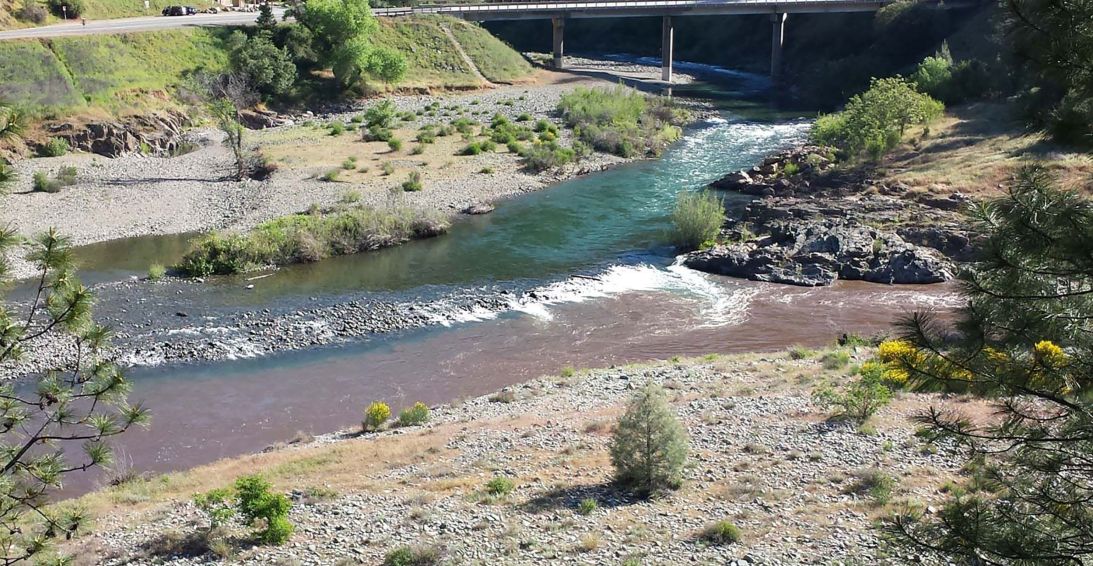
Brown sediment-filled runoff flowing into a clear river below a bridge

A wildfire does not stop at the burn scar. After a fire, ash, loose soil, metals, nutrients, and burned debris can wash into creeks, rivers, lakes, and reservoirs. When rain falls on a burned watershed, the water can carry a thick pulse of sediment downstream.

This matters because many towns get drinking water from rivers and reservoirs. If ash and sediment enter those systems, water can become harder and more expensive to treat. Reservoirs can also fill with sediment, reducing how much water they can store and damaging habitat for fish and other aquatic life.

The loss of vegetation also changes how fast water moves. Trees, grasses, roots, and leaf litter normally slow rainfall down and help water soak into the ground. After a severe burn, those natural barriers may be gone, so storms can create sudden runoff, flash flooding, erosion, and debris flows.

These risks can continue for years. Even after green plants begin to return, roots and soil structure may take longer to recover. That is why communities downstream from a wildfire often monitor storms, water quality, slopes, and reservoirs long after the flames are out.

AIR QUALITY

Quick AQI Guide

Wildfire smoke is dangerous partly because it contains PM2.5, tiny particles smaller than 2.5 micrometers across. They are so small that they can travel deep into the lungs, and from there the inflammation they cause can affect the bloodstream, heart, and other organs. That is why smoke can be harmful even when the fire is far away.

The Air Quality Index, or AQI, turns pollution data into a number people can actually use. Think of it as a simple scale: the higher the number, the more careful people should be outside. A green number usually means normal activity is fine. Above 100, sensitive groups should cut back on outdoor exertion. Above 300, the air is hazardous and everyone should avoid outdoor activity when possible.

0–50Good

Air is generally safe for normal outdoor activity.

51–100Moderate

Usually okay, but unusually sensitive people may notice symptoms.

101–150Unhealthy for Sensitive Groups

Children, older adults, and people with asthma or heart disease should reduce outdoor exertion.

151–200Unhealthy

Everyone should limit long or intense outdoor activity.

201–300Very Unhealthy

Stay indoors more and use cleaner filtered air if possible.

300+Hazardous

Avoid outdoor activity and follow local health guidance.

IMPACTS

Wildfires Affect More Than The Burned Area

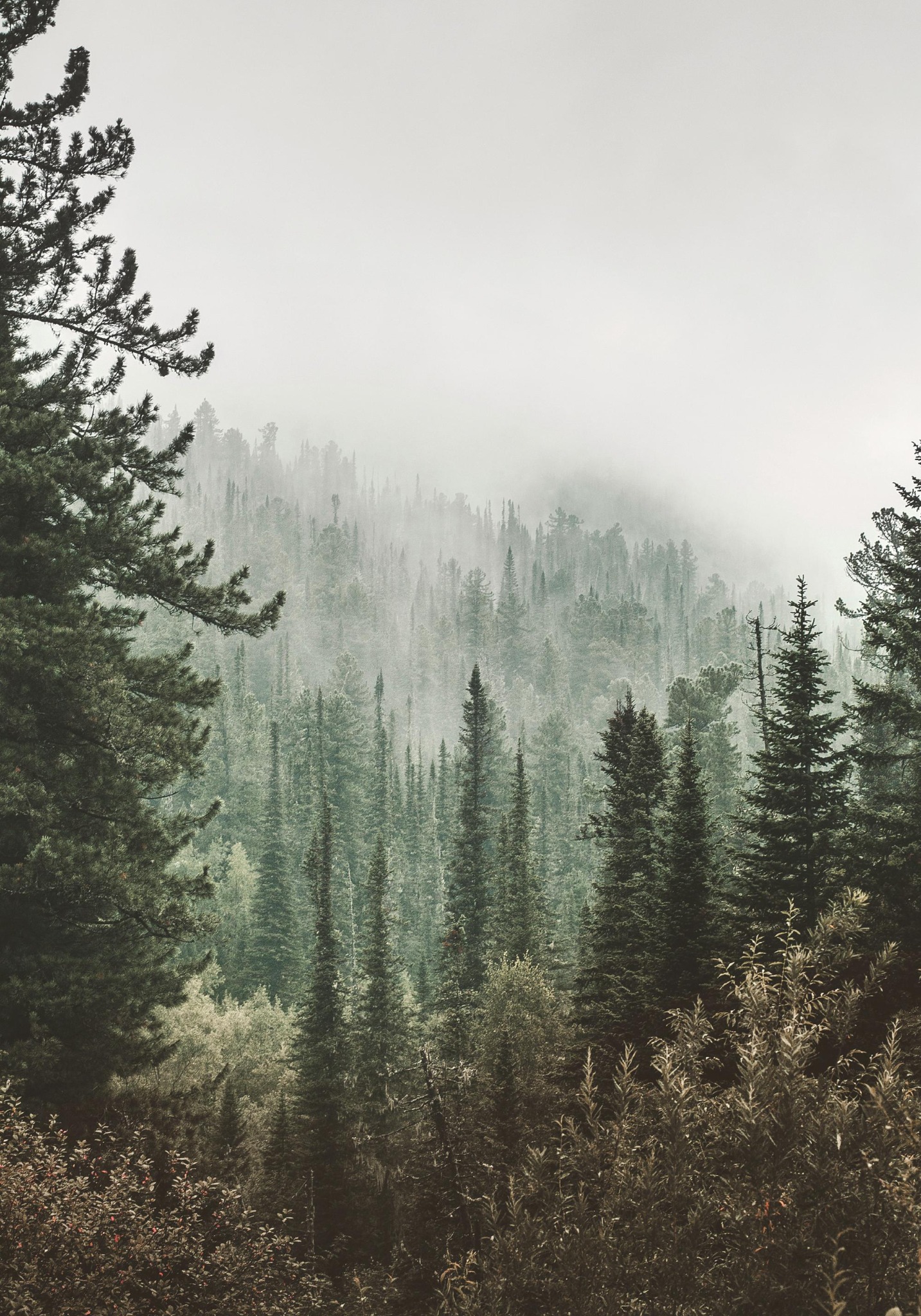
Misty forest

When people think of wildfires, they usually picture trees and homes burning. But that is only the tip of the iceberg. They affect the air, animals, homes, water, soil, and people who may live far from the fire.

Smoke can rise into the stratosphere and spread for hundreds or even thousands of miles. This can trigger respiratory issues and cardiovascular strain. Smoke can block out the sunlight and bring fine particulate matter into the bloodstream and lungs.

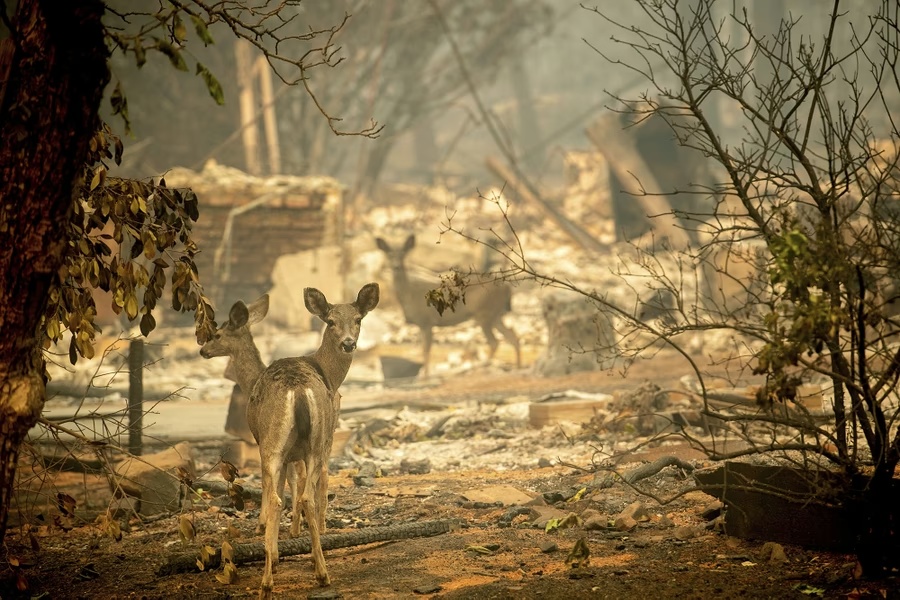
Animals can suffer from smoke inhalation, burns, and displacement. Many animals that survive the fire may later die from starvation and malnutrition. Their habitats may be damaged or gone, and they may have nowhere to hide from predators.

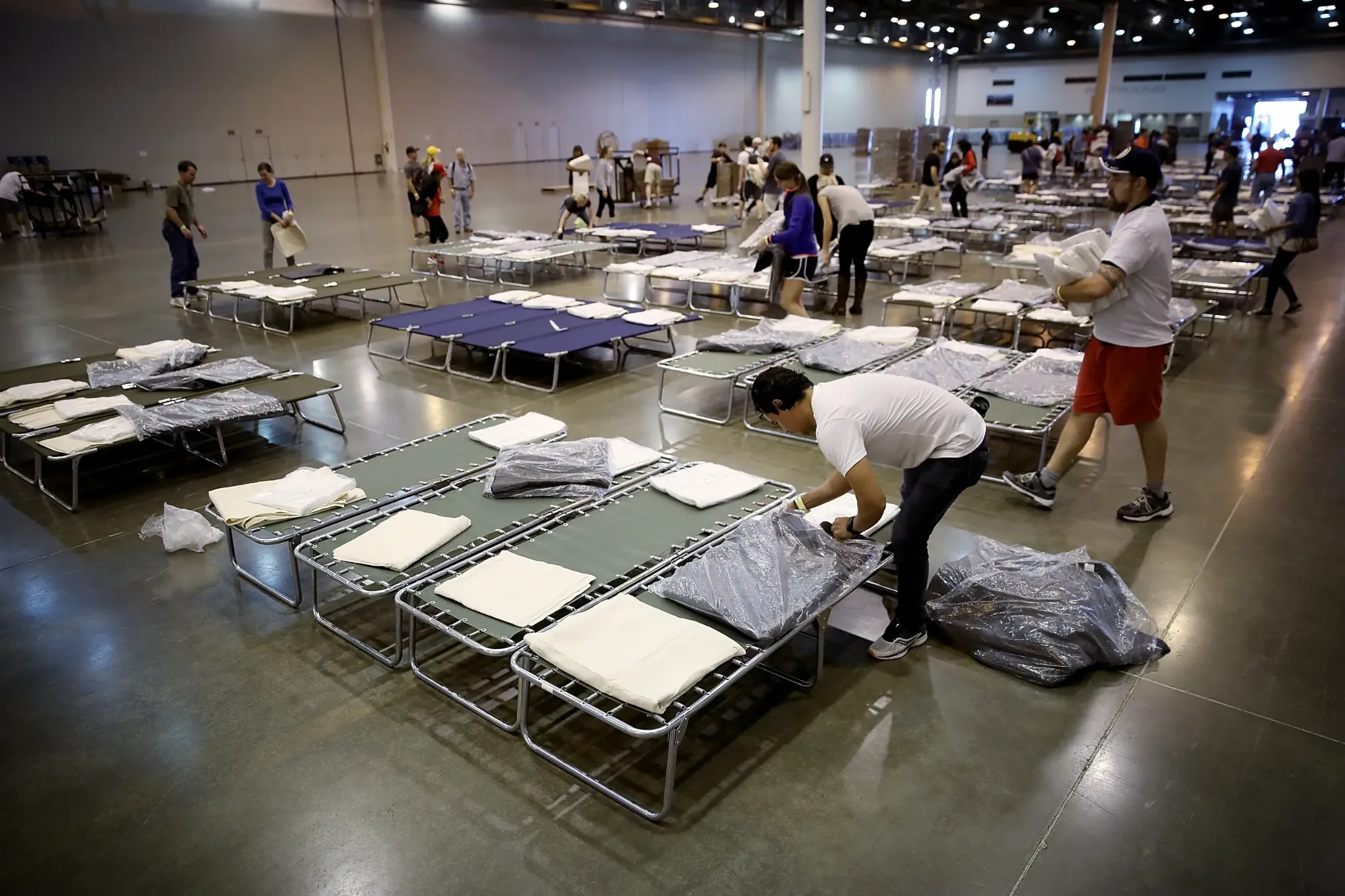
People’s homes can burn, and many people may not have enough insurance, meaning they may have nowhere to live. Often, even those with insurance find it incredibly hard to find a new place and leave everything behind. Their memories, belongings, and sense of safety can disappear into ash.

This is why the burned area on a map does not show the full damage. A wildfire can spread through smoke, fear, health problems, and recovery long after the flames are gone.

Deer standing in a burned neighborhood after a wildfire

SAFETY

Prepare Before. Act Fast During. Recover After.

Click each card below to open the full safety page.

AFTERMATH

Regeneration

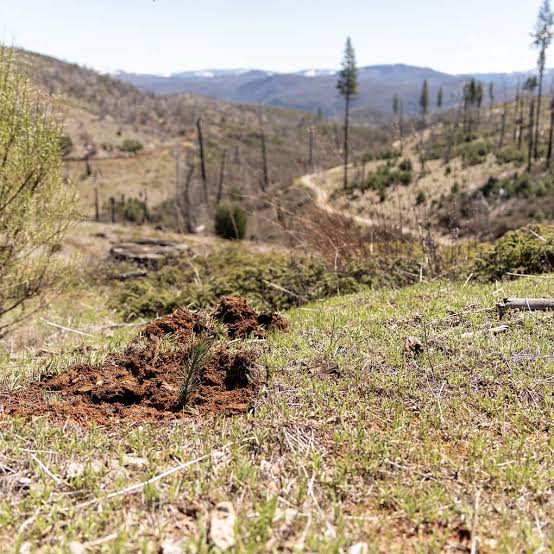
Regrowth after fire

When a fire stops, it leaves behind a vast, empty field of ash. Wind carries hardy microorganisms, fungi, and seeds into the burn scar. Eventually, fast-germinating wildflowers and small plants begin to sprout in the unshaded sunlight. As the soil improves, tough native grasses take over. Hardwood trees and shrubs sprout directly from the underground root systems that survived the heat. Fast-growing, sun-loving pioneer trees and dense scrub form a thick canopy. Over time, pioneer trees mature and create shade and rich soil. Ultimately, more and more plants are replacing the old forest, making the land feel alive again.

Even though fires are often seen as only destructive, they can also have benefits in many ecosystems. For example, serotinous trees such as giant sequoias, lodgepole pines, jack pines, some eucalyptus trees, and other fire-adapted trees need fire to help open their cones. Heat melts the resin that seals the cones. Once the scales open, thousands of seeds scatter across the forest floor, creating a new generation of trees. Wildfires also help clear dead matter into ash, releasing nutrients such as calcium and potassium back into the soil.

Just like the water cycle, wildfire can be a natural part of life in some ecosystems.

ACTION

What Can We Do?

Most wildfires do not begin as giant walls of flame. They begin small — a spark from a campfire, a cigarette, a power line, fireworks, or dry grass touching something hot. Since about 85% of wildfires are started by humans, prevention matters. If people are careful before a fire starts, they can stop one small spark from becoming a disaster. So, what can we do?

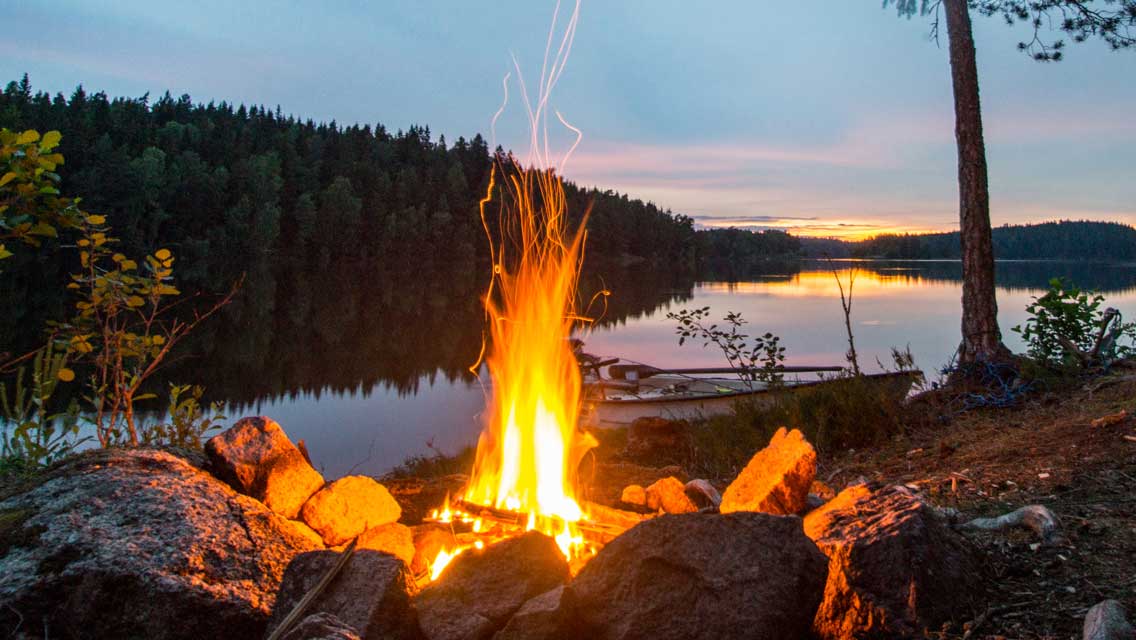
First, be careful with fire outdoors. Campfires should always be fully put out with water, stirred, and checked until they are cold. Never leave flames unattended, even if they seem safe.

Next, avoid sparks in dry grass. Do not use fireworks, burn trash, or drive or park on dry grass during hot and windy days. Even a small spark can spread quickly in dry conditions.

Also, keep yards safer. Clear dry leaves, dead grass, and branches. Clean gutters, and move wood piles or other flammable objects away from houses.

In addition, communities and utility companies can help prevent fires by trimming trees near power lines, inspecting equipment, and shutting off power during extreme wind or fire danger when needed. People should also speak up if they see a downed power line, a small fire, or anything that could become a fire hazard.

Finally, spread the word. Many wildfires are caused by human mistakes, so signs, school lessons, alerts, and community rules can help people make safer choices.

Wildfire prevention is not only about stopping nature. It is about stopping the sparks we can control. A single careful choice, such as putting out a campfire, clearing dry brush, or avoiding fireworks on a windy day, can protect forests, homes, animals, and lives. Fires may spread quickly, but prevention starts before the first flame.

Campfire by a lake

COMING SOON

When The Sky Turned Orange

By Winston Huang

A Novel Based Off Of The 2017 British Columbia Fires Of Canada

Blurb

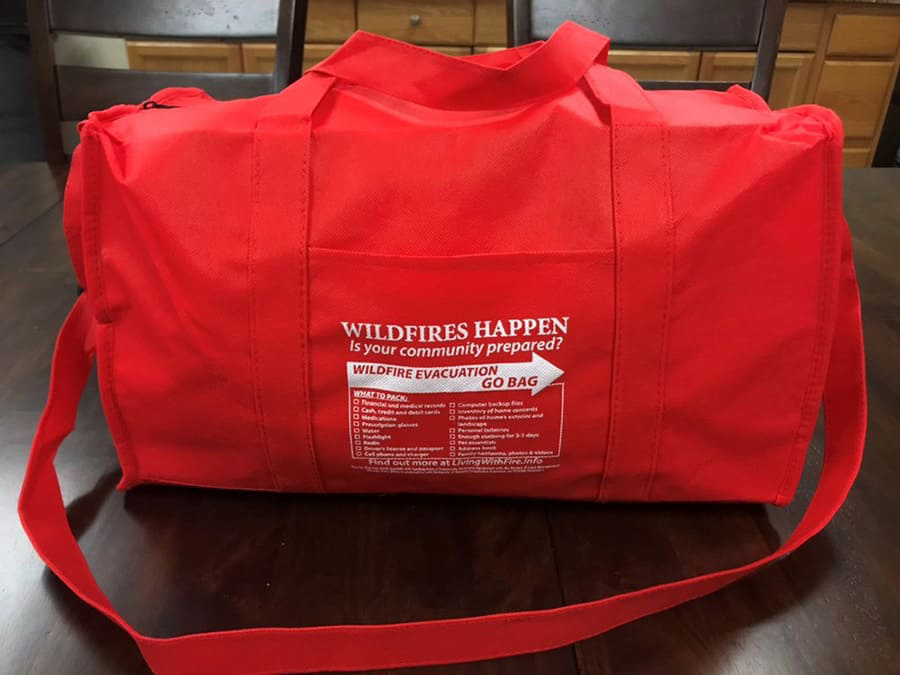
Ash falls like snow. The sky turns orange. Thirteen-year-old Ethan Côté doesn't wait for an evacuation order — he grabs a go-bag, jumps on his e-bike, and rides straight into the smoke. A scream stops him cold. Rosalie, ten years old, is bleeding, trapped, seconds from being swallowed by flame. He picks her up. He runs. A stolen truck stalls out on a blocked road. A moose charges through the dark. A tunnel collapses behind them as they crawl toward the only way out. Every path forward closes as fast as it opens. Every choice costs them time they don't have left.

FIRE TECHNOLOGY

How Drones And Robots Help Fight Fires

By Winston Huang and Lauren Rodriguez

ANIMATION

Technology can help firefighters see danger before people enter it.

Drones can fly above smoke, heat, and dangerous terrain to give firefighters a clearer view of where a fire is moving. Robots can also help enter places that may be too risky for people, sending back information that helps teams make faster and safer decisions.

Together, drones and robots show how wildfire response is becoming more advanced. They do not replace firefighters, but they can help protect them by scouting fire lines, checking damaged areas, and collecting information when every second matters.

Read Video Transcript

SOURCES

Sources

ALSO SEE

Also See, a related project: The Nitrogen Cycle: The Pernicious Effects of Eutrophication

Created by: Winston Huang

This related project explains how extra nitrogen can overload water ecosystems and cause eutrophication.

View